Sustainable Solutions: Professional Environmental Advisory for Your Company
Sustainable solutions function as a crucial component in current business terrain. Specialized sustainability advisory gives businesses the capacity to boost efficiency while curtailing their ecological footprint. Through addressing ecological impact and compliance requirements, professionals guide companies in the direction of sustainable practices. This transition aids not only the environment but also aligns with the ethics of green-minded consumers. The journey to becoming sustainable, yet, is multifaceted and necessitates detailed analysis of various elements. What actions might companies implement to catalyze this transformation?
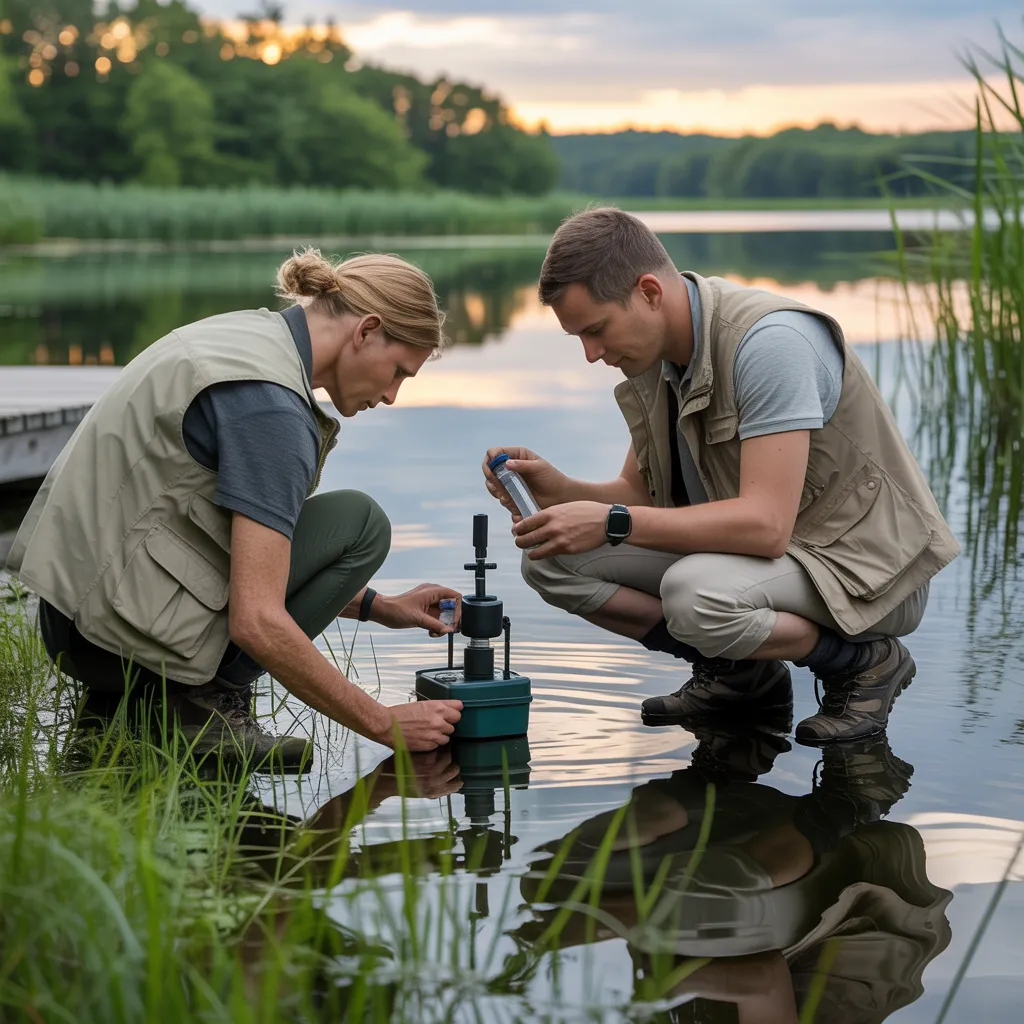
Learning About Environmental Professional Guidance and Its Positive Effects
Comprehending environmental consulting is indispensable for organizations planning to roll out sustainable approaches. This area of work requires informed counsel on compliance frameworks, ecological strategies, and resource management. Environmental consultants inspect a business entity's performance to uncover developmental areas, securing respect for ecological mandates and curtailing ecological repercussions.
The advantages of hiring environmental consultants are substantial. They deliver tailored solutions that boost operational efficiency, reduce waste, and decrease costs associated with resource consumption. By assessing potential environmental risks, consultants assist businesses address liabilities and improve public image. Additionally, the incorporation of sustainable practices often leads to innovation and competitive edge in the marketplace.
Throughout the long term, collaborating with environmental consultants fosters a find guide culture of sustainability within business entities, encouraging employees to adopt environmentally ethical behaviors. Through their specialized knowledge, businesses not only advance environmental preservation but also position themselves as leaders in corporate responsibility, appealing to increasingly eco-conscious consumers.
Evaluating Your Ecological Footprint
Determining a business's environmental impact includes identifying key impact areas and measuring resource usage rates. By assessing these variables, companies can pinpoint where betterment is needed. This strategy not only fosters sustainable practices but also enhances efficiency levels.
Establishing Key Bearing Areas
Many companies ignore the critical importance of identifying key focal points when assessing their environmental footprint. By determining specific aspects of their activities that contribute to ecological harm, companies can create targeted strategies for enhancement. These impact areas often encompass power usage, waste generation, water use, and emissions. Comprehending these elements allows enterprises to prioritize actions that yield the most substantial environmental benefits. In addition, involving stakeholders in this recognition procedure fosters a sustainable culture within the organization. By acknowledging and tackling these key critical zones, businesses position themselves to enhance their overall sustainability, lower expenses, and meet regulatory requirements. This proactive approach ultimately promotes long-term ecological and economic viability.
Evaluating Supply Utilization Rates
Once key impact zones are recognized, the next step includes measuring usage levels to evaluate the company's environmental footprint. This procedure requires an systematic approach to collect information on power, liquid, and material consumption across all activities. Employing instruments like power assessments, water assessments, and material tracking analysis can provide insights into usage trends. Companies should also think about creating benchmarks to compare against sector benchmarks or previous results. By examining these measurements, businesses can pinpoint inefficiencies and opportunities for reduction. Accurate measurement not only aids in adherence with ecological laws but also improves corporate sustainability strategies. This information-based method is crucial for choosing wisely that align with lasting ecological objectives.
Key Domains for Green Business Approaches
Additionally, businesses can fund renewable energy options, such as solar or wind, to lower reliance on fossil fuels. Worker participation in sustainability initiatives creates a commitment to accountability, spurring creative approaches and dedication to green operations. Ultimately, candid communication regarding sustainability targets and outcomes boosts trust with investors and reveals commitment to accountability. Through uniting these vital areas, organizations contribute significantly in ecological protection while also establishing themselves as frontrunners in corporate ethics, engaging environmentally mindful consumers.
Discovering the Perfect Green Advisor for You
Picking an sustainability expert necessitates a solid grasp of a business's specific needs and goals. Examining these demands enables enterprises to connect with consultants who demonstrate the relevant expertise and experience. This calculated strategy assures that firms make informed choices for green alternatives.
Analyzing Your Business Needs
When enterprises recognize the importance of sustainability, they often grapple with the challenge of identifying the most suitable environmental consultant to address their specific needs. This process launches with a thorough appraisal of the organization's sustainability priorities, regulatory requirements, and existing practices. Entities should factor in their market segment, operational scale, and specific challenges, like waste management or operational efficiency. Engaging multiple parties within the organization can provide valuable insights into the strategic priorities and stakeholder expectations of the professional advisory. Equally important, it is vital to delineate the scope of services sought, including but not limited to compliance, strategy development, or training. By specifically stating these needs, businesses can streamline the procurement process and guarantee a more effective collaboration with their chosen expert.
Analyzing Consultant Qualifications
How can companies guarantee they choose the appropriate environmental consultant? Evaluating consultant proficiency involves several important elements. First, firms should assess the consultant's qualifications, including relevant certifications, education, and experience in specific environmental domains. Next, reviewing prior engagements and client references delivers understanding into the consultant's performance and dependability. Additionally, comprehending their strategy to sustainability initiatives—whether they emphasize cutting-edge approaches or regulatory adherence—is crucial. People skills also serve a important part; a consultant must effectively communicate complicated details to different interested parties. Ultimately, take into account the consultant's dedication to perpetual education and keeping current on environmental requirements and advancements. Via thoroughly analyzing these factors, entities can achieve well-considered choices and appoint a consultant best aligned to their distinctive objectives.
Create Your Unique Sustainability Approach
A well-crafted sustainability plan can clearly boost a business's environmental impact and work efficiency. This course of action initiates with a complete assessment of the organization's current processes, calling out fields where upgrades can be made. Major stakeholders should be engaged in this assessment to ensure different viewpoints are considered.
Following this, precise, quantifiable goals must be established. These goals should match with the broader aims of the organization while confronting environmental concerns such as waste reduction, power conservation, and sustainable resource use.
In addition, it is imperative to put in place innovative solutions addressed to the unique challenges of the industry. Liaising with expert environmental consultants can communicate valuable insights into leading methodologies and next-generation innovations.
At the end of the day, a purposeful communication initiative can establish a sustainability mindset within the organization, making certain that all employees understand fully their engagement in meeting these goals. This comprehensive approach ultimately deems the business a leader in sustainable practices.
Establishing Long-Term Environmental Strategies Productively
Effective implementation of eco-friendly initiatives requires a deliberate strategy that prioritizes clear direction and intent. Businesses must first create clear objectives, pinpointing concrete environmental targets in line with their overall mission. This involves involving stakeholders, such as employees and suppliers, to foster a culture of sustainability throughout the organization.
Next, businesses should manage budgets effectively, ensuring that the necessary tools, training, and technologies are in place to facilitate sustainable practices. Consistent dialogue is crucial, as it keeps all stakeholders updated and engaged.
Additionally, integrating eco-friendly practices into current operations can enhance efficiency and reduce opposition to transformation. By testing programs, companies can assess viability and make adjustments before full-scale implementation.
Ultimately, a dedicated leadership team, paired with transparent processes and continuous involvement, can greatly enhance the efficiency of eco-friendly initiatives, resulting in enduring advantages for both the organization and the environment.
Following Your Sustainability Efforts
What methods can businesses employ to track their sustainability progress effectively? Companies can leverage a range of instruments and metrics to assess their ecological footprint and advancements. One popular approach is the adoption of KPIs that concentrate on energy usage, waste minimization, and carbon emissions. By setting clear benchmarks, companies can evaluate their improvements over time.
Additionally, computational tools that monitor resource consumption and environmental impact can provide real-time feedback, fostering more informed assessments. Scheduled sustainability audits also play an essential role, allowing organizations to identify areas for enhancement and guarantee observance of environmental regulations.
Engaging stakeholders with feedback surveys and input systems can meaningfully deepen the assessment process, fostering a ethic of responsibility and constant betterment. Ultimately, a deliberate methodology to monitoring ecological advancement empowers businesses to make informed adjustments and demonstrate their dedication to sustainable practices.
Frequently Inquired Questions
What Is the Average Price of Environmental Consulting for Businesses?
Consulting fees for environmental services affecting organizations typically vary from $100 to $300 per hour, dependent on the firm's expertise and complexity. Project-based fees might also be available, adjusting per services required and duration.
Which Qualifications Should I Search for in an Eco-Consultant?
When picking an environmental consultant, you should search for qualifications such as Certified Environmental Professional (CEP), ISO 14001, or LEED accreditation, as these reflect expertise and dedication to sustainable practices within environmental management.
Can Small Organizations Profit From Eco-Consulting Services?
Yes, small companies can significantly benefit from sustainability consulting expertise. These professional offerings help optimize resource use, cut down on waste, bolster regulatory compliance with regulations, and strengthen sustainability initiatives, eventually providing reduced expenses and a more positive brand perception.
How Much Should I Refresh My Sustainability Strategy?
Refreshing a sustainability strategy should be executed per year or biennial basis, determined by sectoral developments and organizational growth. Systematic reviews validate alignment with new compliance frameworks, stakeholder expectations, and cutting-edge solutions, catalyzing ongoing enhancement and superior green outcomes.
What Industries Benefit the Greatest From Environmental Expert Advice?
Industries such as manufacturing, construction, energy, and agriculture gain considerable advantage from environmental professional consultation. These sectors commonly experience regulatory hurdles, resource management issues, and environmental objectives that necessitate professional expertise to strengthen their environmental standards and regulatory conformity.